
Home » Choosing a DEXA System for Your Clinic
DEXA is a long-term clinical decision
A DEXA system is not just another piece of imaging equipment.
For many clinics, it becomes a long-term clinical platform used for bone density testing, osteoporosis assessment, body composition analysis, healthy ageing programs and broader musculoskeletal health monitoring.
This means the decision should not be based on price alone.
The right DEXA system needs to suit the clinic’s clinical goals, workflow, patient base, compliance requirements and long-term service expectations.
A cheaper system that is difficult to support, limited in software capability or poorly suited to the clinic’s services can become expensive over time. As with most medical equipment, the upfront purchase price is only one part of the real cost.
🔈 Listen as podcast
Choosing a DEXA System for Your Clinic
Duration: 01:34

Start with the clinical purpose
Before choosing a DEXA system, the clinic should be clear on what it wants to offer.
Some clinics may only require bone mineral density testing for osteoporosis assessment. Others may want to provide a broader service including body composition, lean mass monitoring, sarcopenia-related assessment, weight-loss monitoring or healthy ageing programs.
The intended service model affects the type of system required.
A clinic focused mainly on osteoporosis may have different needs from a clinic wanting to support preventative healthcare, sports performance or metabolic health programs.
The first question should be: What clinical information do we need this system to provide?
Once that is clear, equipment selection becomes much more practical.
Software matters as much as hardware
The scanner itself is important, but the software is just as critical.
DEXA is a measurement platform. The value comes from the quality, consistency and usefulness of the results.
Clinics should consider whether the software supports:
- Bone mineral density assessment
- Body composition analysis
- Clear reporting
- Longitudinal tracking
- Calibration and quality assurance tools
- Efficient workflow
- Reliable data management
- Future software updates
Good software helps clinicians interpret results, monitor change over time and provide meaningful information to patients.
Poor software can slow the clinic down, create reporting frustration and reduce the overall value of the system.
Compliance, calibration and quality assurance
DEXA systems use ionising radiation, so clinics must consider the relevant Australian radiation safety and licensing requirements.
Depending on the state or territory, this may include equipment registration, licensing, room suitability, radiation management processes and operator requirements.
Calibration and quality assurance are also essential.
A DEXA system needs to produce reliable and repeatable measurements. Regular QA checks, servicing and calibration help ensure the system continues to perform as expected.
For clinics, this means system selection should include questions such as:
- What QA process is required?
- How often does the system need servicing?
- Who provides technical support?
- Are parts and service available locally?
- What records need to be maintained?
- What happens if the system is down?
These operational details matter. A DEXA service is only valuable if the system remains accurate, available and properly supported.
Integration and workflow
A DEXA system should fit into the clinic’s workflow.
This includes room layout, patient flow, reporting process, data handling, appointment timing and integration with the clinic’s broader technology environment.
Clinics should consider:
- Room size and suitability
- Patient access and positioning
- Reporting workflow
- Image and data storage
- Connectivity requirements
- Staff training
- Service access
- Future expansion
The best system on paper may not be the best system for a particular clinic if it does not suit the available space, staff capability or workflow.
This is where practical implementation experience becomes important.
Why manufacturer selection matters
Manufacturer selection is an important part of choosing a DEXA system.
Clinics should look for systems supported by clinical validation, ongoing software development, reliable engineering and long-term manufacturer commitment.
DEXA is not a short-term purchase. A clinic may rely on the system for many years, so manufacturer support and product development matter.
OsteoSys is a global manufacturer of DEXA technology used in bone mineral density, body composition and musculoskeletal health applications. Its systems are used internationally and are supported by ongoing clinical and technical development.
For Medic Cloud, OsteoSys aligns with the direction DEXA is heading: not only osteoporosis assessment, but also body composition, sarcopenia-related assessment, healthy ageing and preventative healthcare.
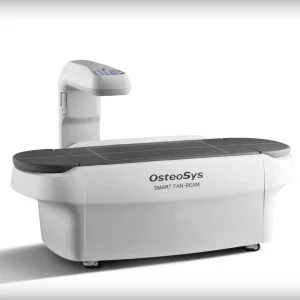
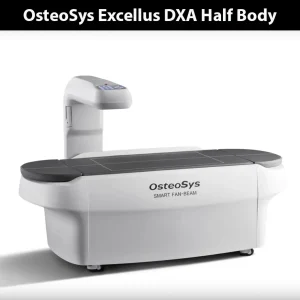
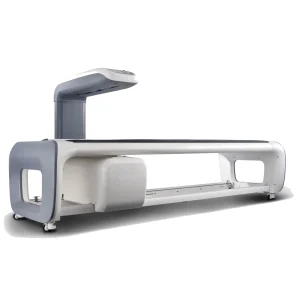
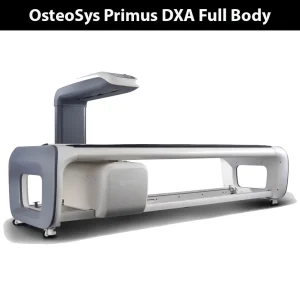
Our range of DEXA systems and software
Microsoft

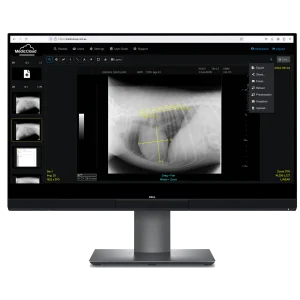
Private Cloud PACS
Our range of DEXA systems and software.
Medic Cloud’s role
Medic Cloud supports Australian healthcare providers with the selection, installation, integration and ongoing support of diagnostic imaging technology, including DEXA systems.
Our role is not simply to supply a scanner.
We help clinics consider the practical questions that affect long-term success:
- Is the system suitable for the clinic’s intended services?
- Does the room and workflow support safe operation?
- What compliance requirements need to be considered?
- How will the system be supported and serviced?
- How will staff be trained?
- How will the clinic manage reporting and ongoing QA?
A DEXA system should be selected with the full lifecycle in mind.
That includes consultation, installation, training, servicing, compliance support and long-term technical assistance.
Final thoughts
DEXA has evolved from a specialised osteoporosis tool into a broader clinical measurement platform.
It can support bone health, body composition analysis, healthy ageing, weight-loss monitoring and preventative healthcare.
For clinics, choosing the right DEXA system requires more than comparing specifications. It requires a clear understanding of clinical purpose, software capability, compliance obligations, workflow, servicing and long-term support.
When selected and implemented correctly, DEXA can become a valuable service that supports better clinical decision-making and gives patients clearer insight into their health.
Medic Cloud works with OsteoSys to support Australian clinics with modern DEXA technology backed by practical implementation, servicing and ongoing local support.
Contact Medic Cloud for a discussion about DEXA scanners today.
FAQs
What should clinics consider before buying a DEXA system?
Clinics should consider clinical use, software capability, compliance requirements, room suitability, servicing, calibration, workflow and long-term support.
Is DEXA only used for osteoporosis?
No. DEXA is commonly used for osteoporosis, but modern systems may also support body composition, lean mass and musculoskeletal health assessment.
Why is DEXA software important?
DEXA relies on accurate measurement and reporting. Good software supports interpretation, tracking, QA and efficient clinic workflow.
Does a DEXA system need regular servicing?
Yes. Regular servicing, calibration and quality assurance help ensure the system remains accurate and reliable.
Why does Medic Cloud work with OsteoSys?
Medic Cloud works with OsteoSys because its DEXA technology supports bone density, body composition and broader musculoskeletal health applications, aligning with the needs of modern healthcare providers.
Read more blogs



Subscribe to Medic Hub
Get the latest insights direct to your inbox.
